
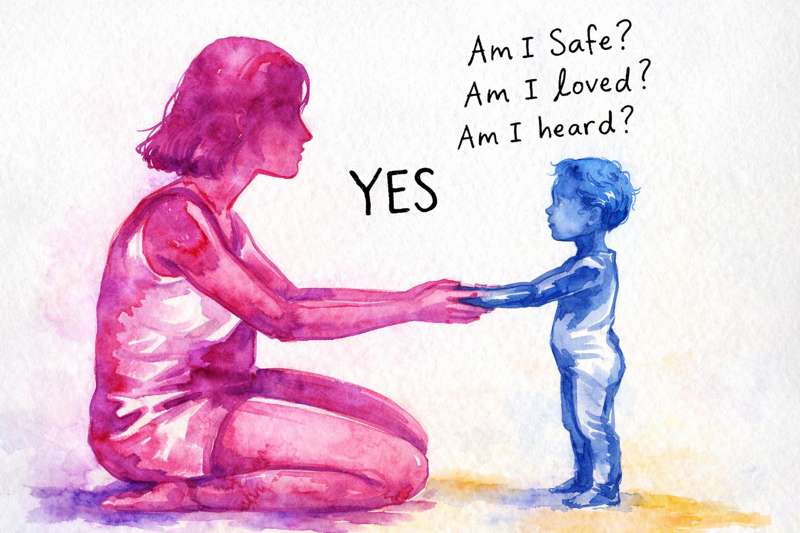
Adulthood looks structured from the outside. It carries responsibilities, decisions, commitments, and expectations. We grow up, we become capable, we manage. But emotionally, growing up is rarely that simple. Beneath the calm and composed adult many of us present to the world, there often lives a younger version of ourselves, a part that remembers what it felt like to be unheard, unseen, overly responsible, or not quite enough. This inner child does not fade with time. It grows alongside us, quietly influencing how we connect, trust, argue, love, and protect ourselves.
The idea of the inner child, often explored in psychology through the work of Carl Jung, reflects the part of us that carries early emotional experiences. These early memories, whether nurturing or painful, shape our internal blueprint for relationships. If approval once felt conditional, we may become adults who constantly strive to prove our worth. If emotions were dismissed, we may struggle to express vulnerability. If safety felt unpredictable, we may either cling tightly or build walls so high that no one can truly enter.
In close relationships, these patterns quietly resurface. A small disagreement can feel bigger than it is. A delayed message can stir unexpected anxiety. A moment of distance can awaken a fear that feels familiar but difficult to explain. Often, we are not just responding to the present. We are responding to something older. Our nervous system remembers what our mind has tried to move past.
It is important to humanize this experience. These reactions are not signs of weakness or immaturity. They are signals pointing toward needs that once did not have space to be expressed. When we pause and gently ask ourselves, “What part of me feels hurt right now?” we shift from blame to awareness. We begin to understand that sometimes it is not our partner, friend, or colleague we are reacting to, but a memory that still carries emotion.
Healing the inner child does not mean reliving every painful moment. It means responding differently now. It means offering ourselves reassurance instead of self-criticism, boundaries instead of silence, and compassion instead of shame. It is the quiet practice of becoming the emotionally safe adult we may have once needed.
Maturity is not the absence of wounds. It is the ability to hold them with understanding. When we learn to care for the child while honoring our adult responsibilities, our relationships begin to feel less reactive and more intentional. Slowly, what once felt confusing starts to feel clear, not because the past disappears, but because we have learned how to meet it with awareness. “The way we love others often reflects how safely we have learned to hold our own inner child"